
Fundraising/Volunteers
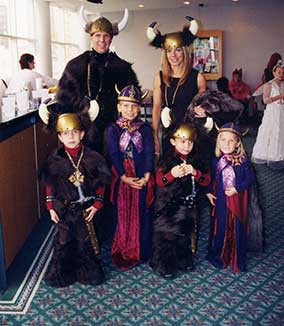 It is a challenge to fully acknowledge the hours of dedicated labour, privately-donated millions of dollars and goodwill that the volunteers of the Windsor Symphony Orchestra have offered to the organization through the decades, and still do today. While federal, provincial and municipal government funding have been won by the WSO, the orchestra simply would not exist without fundraising efforts and volunteers. Ticket sales only cover a third of the orchestra costs, and that ratio has changed over the years. A small portion of the story of the WSO volunteers can be told through highlights.
The first orchestra itself was comprised of volunteer musicians, but the first concerts were largely funded by a group called the Senior Mary Grant Society. This dedicated group was succeeded by an official Windsor Symphony Society, founded in 1949. This group’s sole purpose was to oversee the funding and well-being of the WSO. Being a member was a valuable experience for people working in the corporate and public sector.
In 1957, the women who volunteered for the WSO formed a supplementary group known as the Women’s Association. The annual Antiques Sale was particularly popular in the region, which sold “everything from films to flatirons,” according to the Windsor Star (Strachan, October 17, 1972). Much of the proceeds for this fundraising sponsored Young People’s Concerts, and even assisted the orchestra with the purchase of special instruments, including a piano.
A Junior Women’s Symphony organization, later known as the Symphony League, fundraised by working at bingos, offering the Musique Boutique at concerts, and an annual Fashion Show. Volunteers could contribute in unique ways: in 1987, a call was put out to members and subscribers to offer billets to out-of-town musicians to save on hotel costs!
Other imaginative fundraising efforts included a “Beat Beethoven Run,” with sponsored runners accompanied by strains of Beethoven at Windsor’s riverfront. More glamorous fundraising events were the annual themed Gala Dinners allowing the public a chance to dress up and dance for a good cause.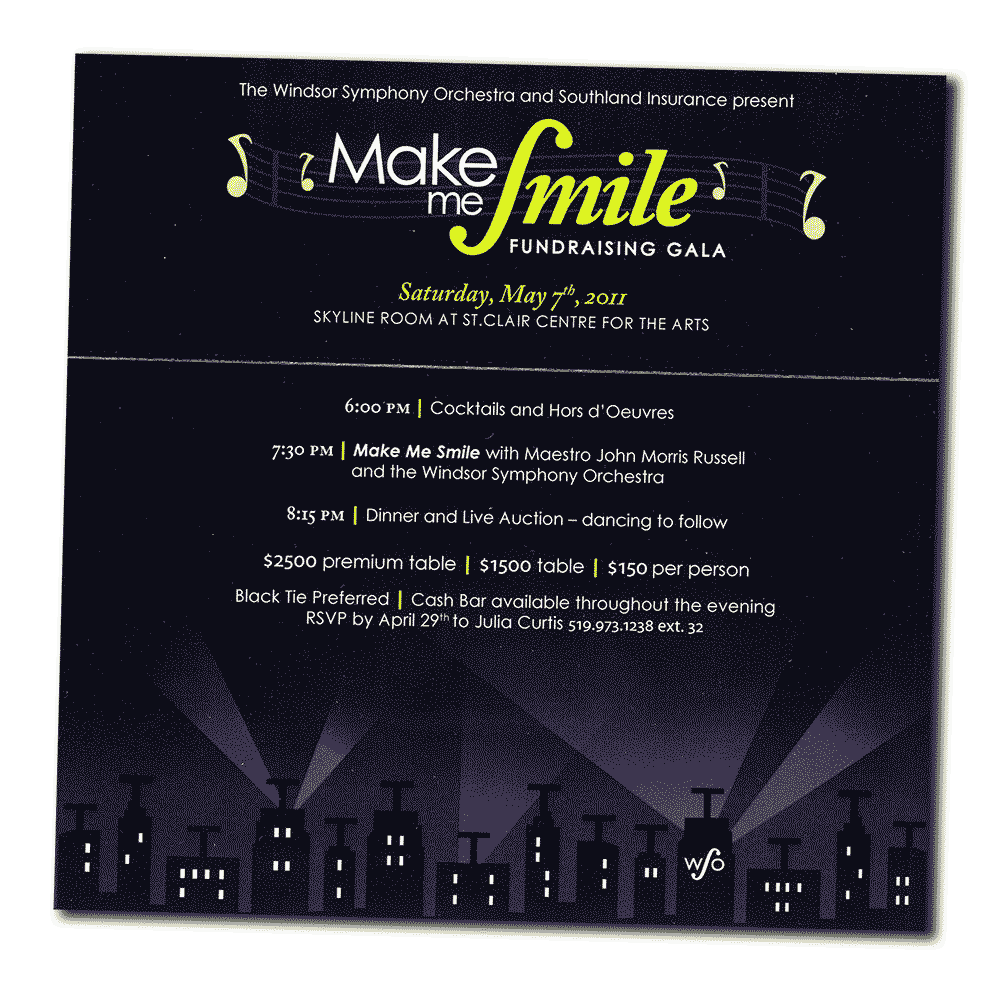
Dedicated families have also sponsored both concerts – and in the case of the Kim Lucier Memorial trust sponsored a CD production and Saturday Pops Series, 2002-03 and the Toldo family still sponsors Pops concerts today.
In 1988, the WSO faced its worst financial crisis with 72 hours notice of closure of the WSO office and layoff of all staff. This, however, became a triumph of recognition of the Windsor Symphony Orchestra’s value to the community and answered for us the questions of “why do we need a professional symphony orchestra in this city? And what does it do for us?” Because the community as a whole refused to let go of its orchestra. The Save Our Symphony campaign was a remarkable collaboration among volunteers, the city and provincial governments. In order to match a grant offer from the provincial government, volunteers set up a phone bank at the Art Gallery of Windsor, and phoned just about everybody in the city – businesses, corporations, individuals to get pledges for their goal of $200,000. A five-hour CBC radiothon from both their English and French stations raised another $44,000, and the government of the city of Windsor donated another $170,000. One new Board member during that transition time, Jean Bull offered her family’s own grand piano as collateral for a bank loan.
Through all of this crisis, one musicians’ representative, Leslie Magowan, told the local media that the “New York Federation of Musicians representative Lew Waldek told her that he ‘has never seen a city take over in this kind of situation – to not only figure out the problem, but be prepared to do something and know what to do.’ All this, noted Magowan, was done with remarkably no suggestions that would impinge on the artistic integrity of the WSO. Many musicians who demonstrated extraordinary loyalty to the WSO then are still members today (Windsor This Month, April, 1988).
The 1988-89 season had a stellar schedule, including guest appearances Maureen Forrester, pianist Andre Gagnon, and singer Cleo Laine which may never have happened. The last concert of Haydn’s Symphony No. 45 in F Sharp Minor, known as Haydn’s “Farewell” may have been prophetic, yet, the season did continue, and memories of the Cleo Laine and John Dankworth concert are among musician Peter Wiebe’s favourite memories of the WSO concerts.